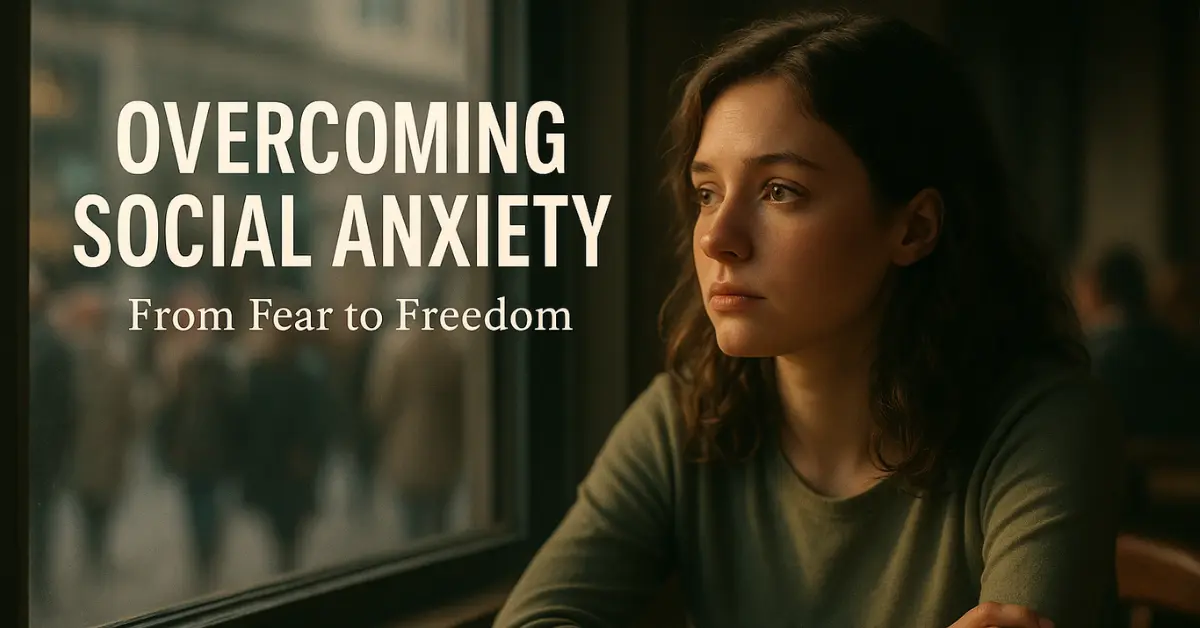
Social Anxiety Disorder: Causes, Symptoms & Effective Treatment Guide
Understanding Social Anxiety: Its Meaning and Impact
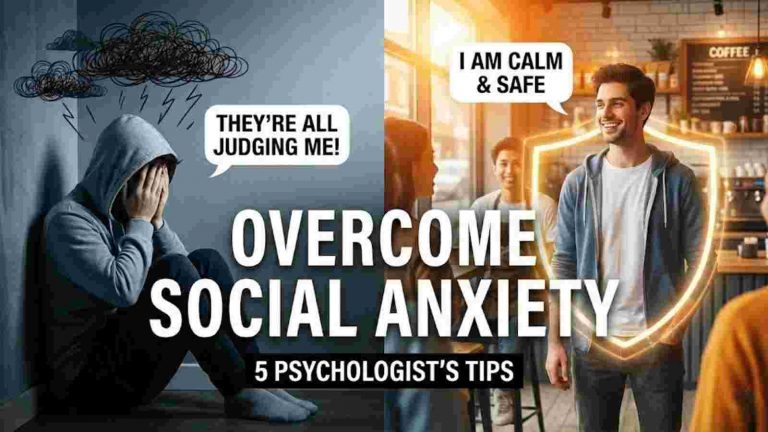
Social anxiety disorder isn’t just “being shy.” It’s a deep, overwhelming fear of social situations where you might be judged, embarrassed, or rejected. People with social anxiety often overthink simple interactions — like talking to a shopkeeper, answering in class, or attending a meeting. It’s not a personality flaw; it’s a mental health condition that affects how the brain perceives threat and fear in social settings.
According to research, millions worldwide experience social anxiety disorder, and most cases begin during teenage years. Recognizing it early is the first step toward healing.
What Causes Social Anxiety? The Hidden Triggers
The causes of social anxiety are complex — a mix of biology, psychology, and environment. Genetics play a major role; if a parent or sibling has anxiety, you may be more prone to it. Childhood trauma, bullying, or harsh criticism can leave long-term emotional scars that trigger fear in social settings.
Brain studies show that people with social anxiety have overactive amygdala (the fear center). Combine that with low self-esteem or perfectionism, and social interactions can feel like walking on fire.
Signs & Symptoms of Social Anxiety You Shouldn’t Ignore
Do you feel intense fear before meeting people? Do you replay conversations for hours wondering what went wrong? Common signs of social anxiety include:
- Fast heartbeat, sweating, trembling in public.
- Avoiding eye contact or public speaking.
- Feeling judged or embarrassed even when people are kind.
- Avoiding social events altogether.
If these symptoms last for six months or more, it’s time to take them seriously — it’s not “just nerves.”
The Impact of Social Anxiety on Daily Life & Relationships
The impact of social anxiety reaches far beyond shyness. It can hold people back from promotions, relationships, or friendships. Everyday tasks like ordering coffee or attending a wedding can feel impossible.
Over time, avoidance leads to loneliness, low confidence, and sometimes depression. People start believing they’re “not enough,” even though they’re capable and intelligent. That’s why understanding and managing this condition is so important — it’s about reclaiming your freedom to live and connect.
Effective Treatments for Social Anxiety: Therapy, Medication & More
The good news? Social anxiety disorder is treatable. The most effective treatment is Cognitive Behavioral Therapy (CBT) — a method that helps you reframe negative thoughts and gradually face your fears.
Doctors may prescribe medications such as SSRIs (antidepressants) to balance brain chemicals. In some cases, beta-blockers help reduce physical symptoms like trembling during public speaking.
For the best results, a combination of therapy + medication often works wonders.
Daily Habits to Manage Your Social Anxiety Naturally
Healing from social anxiety isn’t instant — it’s daily practice. Here are proven habits to help you manage social anxiety naturally:
- Practice deep breathing: 4-4-8 breathing (inhale 4s, hold 4s, exhale 8s).
- Challenge negative thoughts: Write them down and counter them with logic.
- Gradual exposure: Face small fears first — like greeting a stranger.
- Healthy lifestyle: Sleep well, limit caffeine, exercise daily.
- Mindfulness: Stay present instead of imagining worst-case scenarios.
Every small step you take builds emotional strength and confidence.
When to Seek Professional Help for Social Anxiety
If your anxiety stops you from studying, working, or maintaining relationships, seek social anxiety help from a professional therapist or psychiatrist. There’s no shame in asking for help — just like you’d visit a doctor for a physical illness.
Modern therapy sessions (both in-person and online) can guide you through tailored techniques like exposure therapy, social skills training, and mindfulness-based approaches.
Breaking the Stigma: Living Fully with Social Anxiety
Living with social anxiety doesn’t mean your dreams end here. Many successful people — from artists to entrepreneurs — quietly manage anxiety while excelling in life. The key is acceptance: stop fighting yourself and start working with yourself.
Remember, courage isn’t the absence of fear — it’s moving forward despite it. Whether you’re giving a speech or starting a conversation, every act of bravery rewires your brain toward confidence.
You are not broken — you are healing.
Final Takeaway — From Fear to Freedom
Social anxiety can make the world seem smaller, but the truth is: recovery expands it again. With therapy, awareness, and daily action, you can rebuild your self-trust and confidence.