Is FASTag Ending in 2026? New “Satellite Toll” Rules, 20km Free Travel & Feb 1st Update Explained
The End of Toll Plazas is Here?
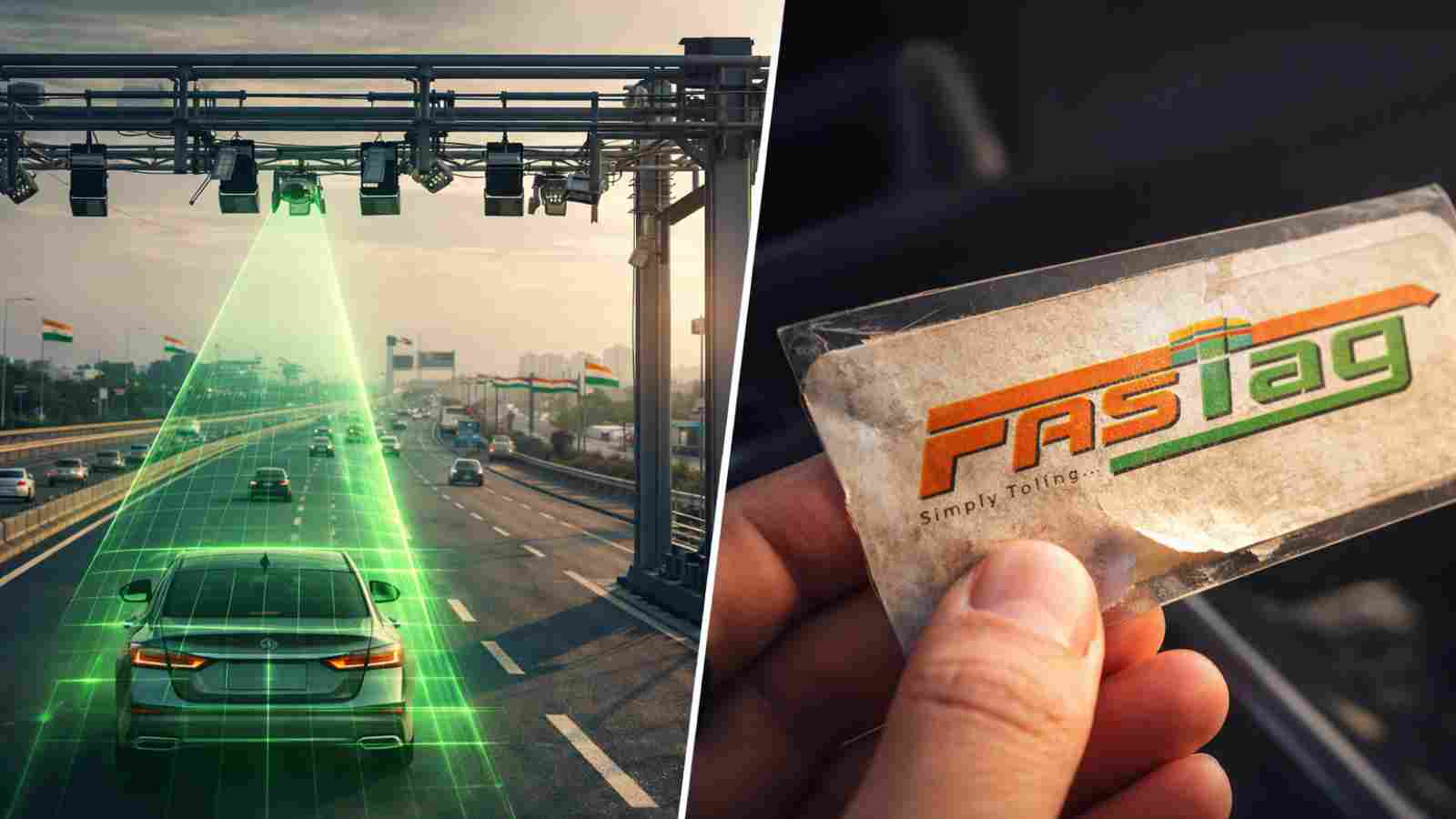
If you are tired of waiting in long queues at toll plazas despite having a FASTag, the government has officially signaled a massive shift. By the end of 2026, India will fully transition to a Satellite-Based Toll Collection (GNSS) system. But the biggest news isn’t the technology—it’s the money you will save. New rules confirm that private vehicles could travel up to 20km for FREE on highways. Here is the complete breakdown of the new system and the urgent February 1, 2026 update you need to know.
The “20km Free” Rule: A Game Changer for Commuters
For years, drivers have paid full toll charges even for short distances. The new GNSS rules aim to fix this unfair pricing.
- Zero Toll Policy: According to the amended National Highways Fee Rules, private vehicles equipped with a functional GNSS On-Board Unit (OBU) will be charged ZERO user fee for journeys up to 20 kilometers in each direction per day.
- Pay-As-You-Use: If you travel beyond 20km, you will be charged only for the actual distance covered. This effectively kills the old system where you paid a fixed fee for the entire road stretch, regardless of where you exited.
Urgent Update: “Know Your Vehicle” (KYV) Scrapped from Feb 1, 2026
In a massive relief for car owners, the NHAI has announced a major policy change starting February 1, 2026.
- The Change: The mandatory “Know Your Vehicle” (KYV) process for new FASTag issuances (Cars/Jeeps/Vans) is being discontinued.
- Why it Matters: Previously, users faced harassment with repeated requests to upload vehicle photos even after their tag was active. Now, verification will happen upfront via the VAHAN database before activation, eliminating post-activation headaches.
- For Existing Users: You do not need to do KYV again unless there is a specific complaint or misuse flagged against your vehicle.
How Will the “Satellite Toll” (GNSS) Work?
Forget boom barriers and stopping. The new system turns your car into a trackable asset.
- The Device: Vehicles will be fitted with an On-Board Unit (OBU) that communicates directly with satellites (GPS/NavIC).
- The Process: As you enter a highway, the satellite logs your entry coordinates. When you exit, it calculates the exact distance. The toll amount is then automatically deducted from your linked bank account.
- Privacy Concern: While efficient, this system means the government will have real-time data on your vehicle’s location on highways.
Is FASTag Dead? (The Hybrid Model)
No, do not throw away your FASTag yet. The government is adopting a “Hybrid Model” for the transition period.
- Dedicated Lanes: Toll plazas will initially have dedicated lanes for GNSS-enabled vehicles to pass through without stopping.
- FASTag Continues: Existing FASTag lanes will remain operational for older vehicles or those without OBUs.
- The Penalty: If a non-GNSS vehicle enters the dedicated GNSS lane, they may be penalized with two times the standard toll fee.
- Cashless Deadline: Reports suggest that from April 1, 2026, physical cash payments at toll plazas might be completely stopped, making FASTag or GNSS mandatory.
FAQ:
- Q: When will the Satellite Toll system launch in India?
- A: The full nationwide rollout is targeted for the end of 2026. However, pilot projects are already live on the Bengaluru-Mysore Highway and Dwarka Expressway.
- Q: Do I need to buy a new device for GNSS toll?
- A: Yes, you will likely need an On-Board Unit (OBU). New cars may come with it pre-installed, while older cars will need an external device.
- Q: Is the 20km free rule applicable to FASTag users?
- A: No, currently the notification specifies this benefit is for GNSS-enabled vehicles only. This is an incentive to switch to the new system.
- Q: What happens if I don’t update my FASTag KYV before Feb 1?
- A: You don’t need to. The new rule removes the mandatory post-activation KYV requirement for cars, simplifying the process.
- Q: Will toll prices increase in 2026?
- A: While the base rates might adjust, the distance-based system will likely reduce costs for short-distance commuters who previously paid full toll fees.